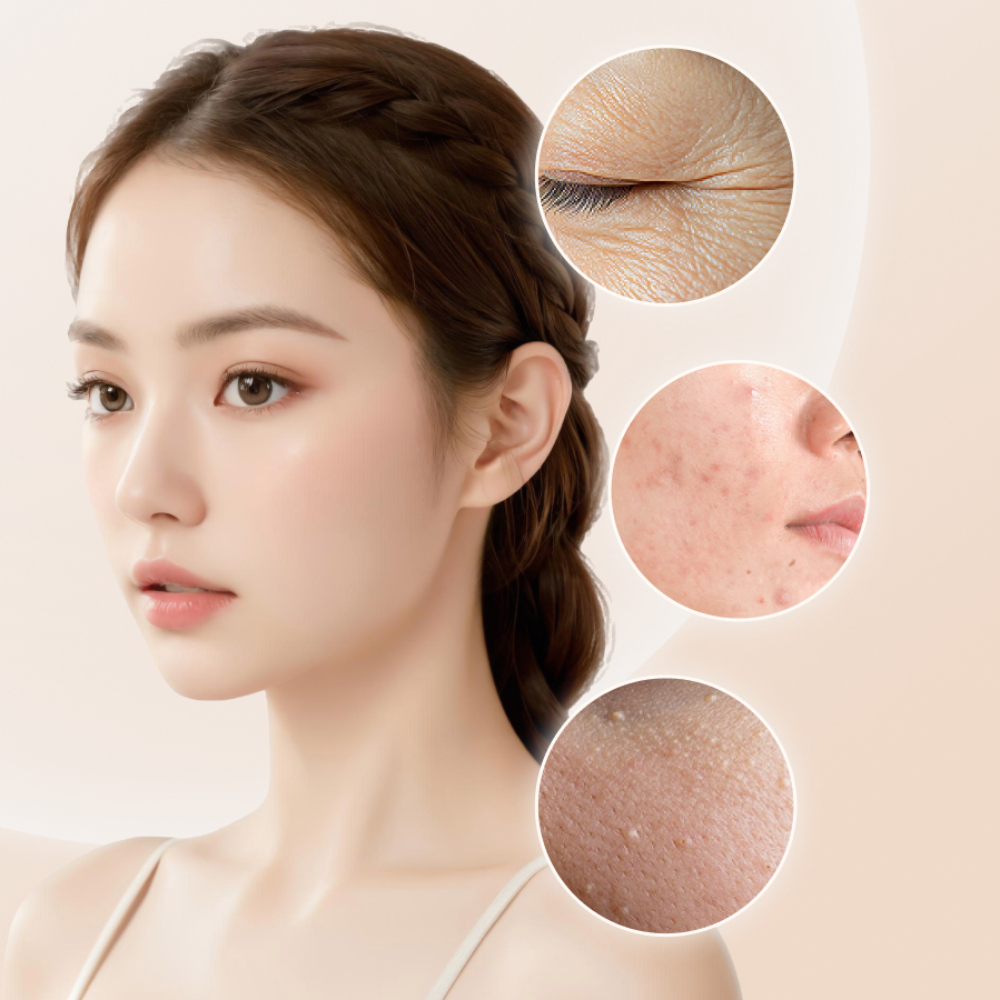
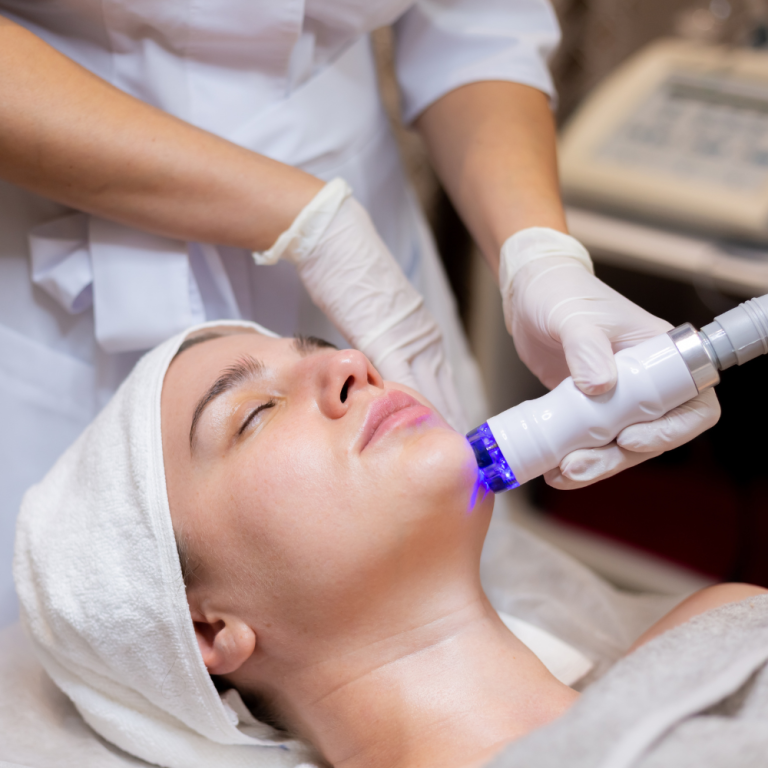
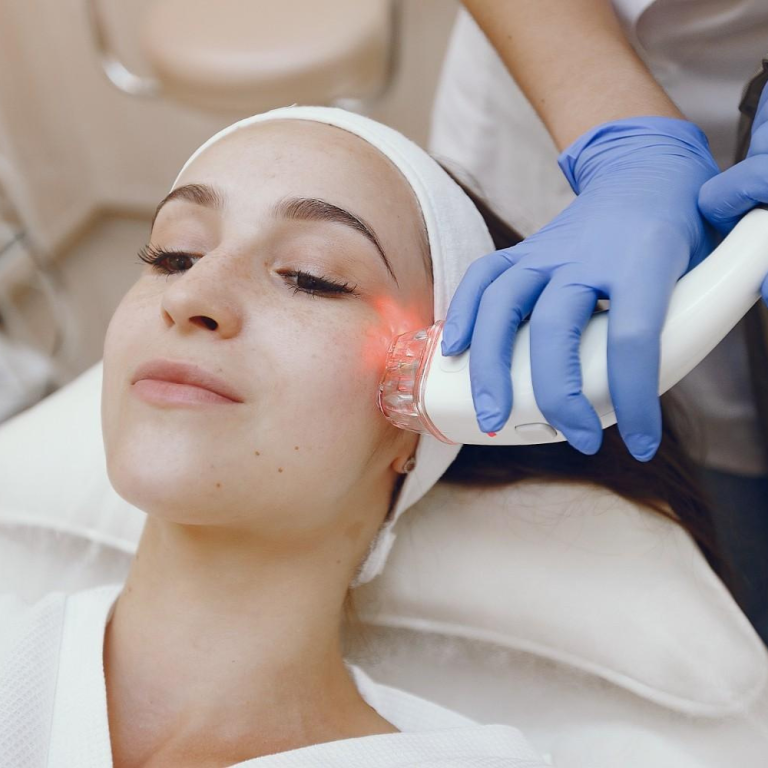
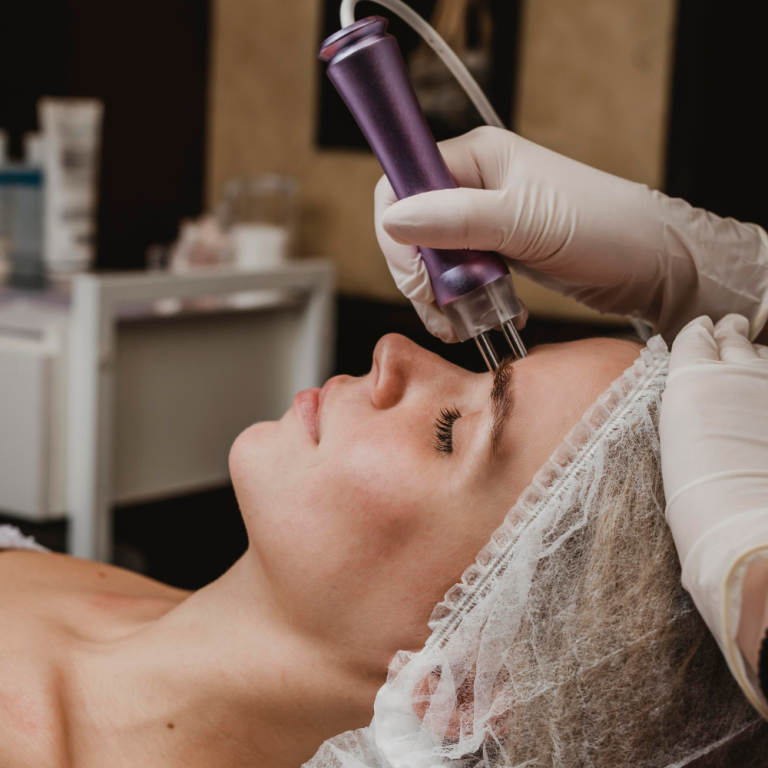
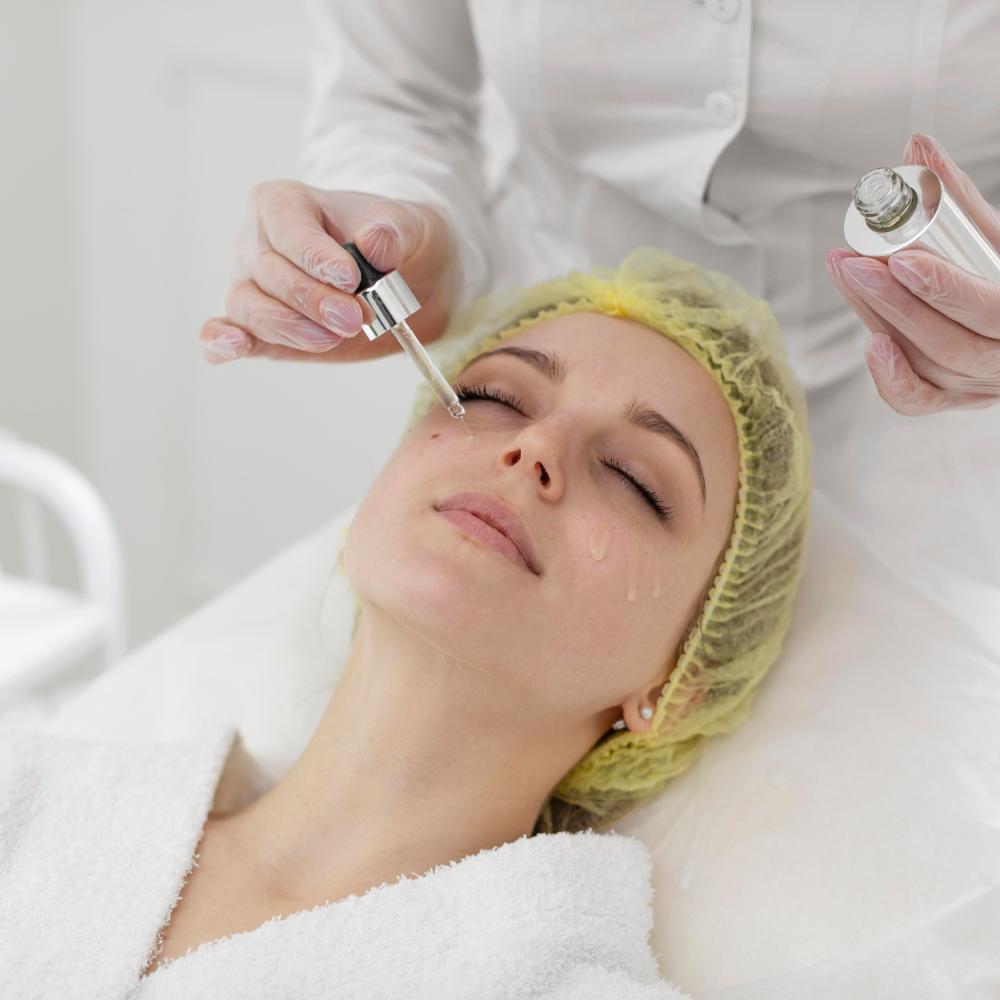
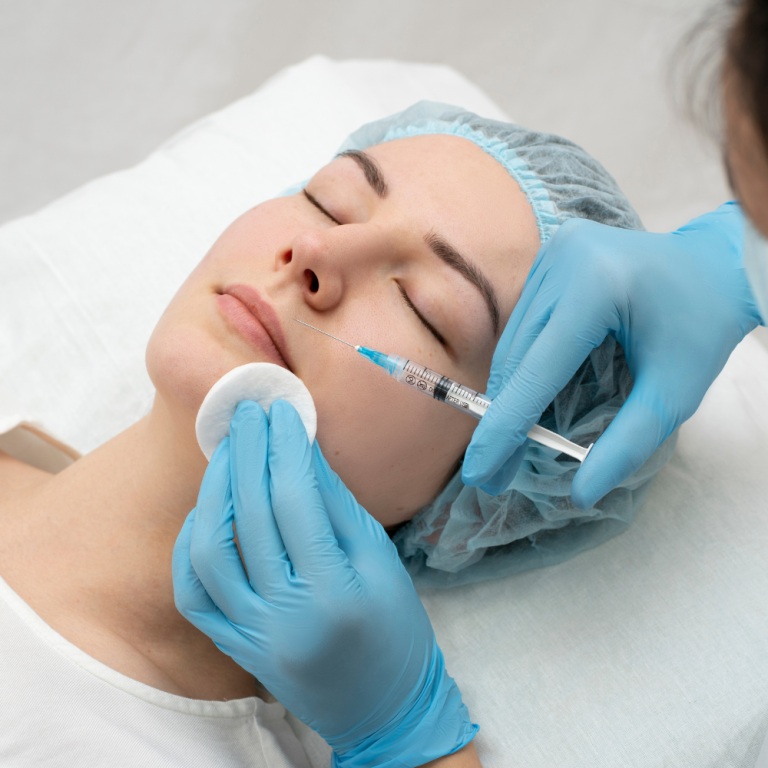
Uneven tone often reflects small melanin-rich patches on the face, neck, or hands. In laser pigmentation treatment, the doctor directs short, controlled flashes of light at these sites. Melanin captures the light more readily than nearby skin; the pigment breaks into tiny fragments that are shed as the skin renews over the following weeks. Common indications include solar lentigines (sun spots), freckles, and persistent acne-related marks. Appropriateness is assessed case by case; skin type, pigment characteristics, and recent sun exposure guide the plan. A face-to-face review sets parameters and expectations. Sessions are brief, and interruption is minimal; most patients resume normal activity immediately with sunscreen and straightforward aftercare. Expect a steady change rather than an instant one: treated patches fade in stages, and the complexion looks more even as this happens. Your practitioner will also outline likely session numbers, spacing, and supportive skincare to maintain results.
HOW DOES IT WORK?
A clinical laser in laser pigmentation treatment sends out very short pulses matched to the pigment’s absorption band. Melanin takes up the light, warms for an instant, and the pigmented cluster breaks apart. The body’s normal clearing mechanisms gradually remove the debris. Since the energy is so precisely targeted, surrounding tissue is mostly unaffected. Treatments are scheduled every few weeks to let the skin recover and to assess fading before the next session.
WHAT ARE THE BENEFITS?
Hits the right target – In laser pigmentation treatment, melanin-heavy spots draw the pulses first, so those marks lighten while surrounding skin is left alone.
Change builds over time – A first lift in brightness typically shows in about 1–2 weeks, with further clearing as the plan progresses.
Objective follow-up – Standardized before/after photography makes progress easy to verify.
You’re treated by licensed medical practitioners under Malaysia’s Ministry of Health, with an LCP-certified aesthetic clinic setup for safety and compliance.
12 years of trusted experience
The team highlights over a decade of hands-on aesthetic and laser work, giving you seasoned judgment on settings, protocols, and aftercare.
One-stop centre with advanced tech
From dermatology and aesthetics to minor surgical procedures, plus lasers (Pico/ND:YAG, CO₂), RF microneedling, skin boosters, PRP/exosome, and more—everything’s under one Bukit Jalil roof.
Types of Pigmentation We Treat
Freckles
Small brown spots that become more visible with sun exposure. Often genetic and commonly seen on fair to medium skin tones.
Melasma
Symmetrical brown patches usually caused by hormones, pregnancy, or sun exposure. Commonly appears on cheeks, forehead, and upper lip.
Age Spots (Liver Spots)
Flat brown or black spots that develop with age due to long-term sun exposure. Common on the face, hands, and other sun-exposed areas.
Sunspots (Solar Lentigines)
Flat dark spots caused by long-term UV exposure and sun damage. Common in areas frequently exposed to sunlight.
Post-Inflammatory Hyperpigmentation (PIH)
Dark marks left after acne, skin injury, or inflammation. It gradually fades but may require treatment for faster improvement.
Hori’s Nevus
Deep blue-brown pigmentation, commonly found on both cheeks. More common in Asian skin types and often requires advanced laser treatment.
Epidermal vs Dermal Pigmentation
Pigmentation can appear in different layers of the skin, and this affects how it is treated in laser pigmentation treatment. Epidermal pigmentation is found on the outer layer of the skin and is easier to treat because it responds well to topical treatments and standard laser settings. Dermal pigmentation is deeper in the skin and is more difficult to treat, often appearing bluish or greyish, and may require stronger laser settings and multiple sessions. Treatment is always customised based on the type and depth of pigmentation for safe and effective results.
Type
Location
Difficulty
Treatment Approach
Epidermal Pigmentation
Surface (epidermis)
Easier to treat
Standard laser settings
Dermal Pigmentation
Deeper layer (dermis)
Harder to treat
Standard laser settingsAdvanced laser settings, more sessions
Epidermal vs Dermal Pigmentation
Pigmentation can appear in different layers of the skin, and this affects how it is treated in laser pigmentation treatment. Epidermal pigmentation is found on the outer layer of the skin and is easier to treat because it responds well to topical treatments and standard laser settings. Dermal pigmentation is deeper in the skin and is more difficult to treat, often appearing bluish or greyish, and may require stronger laser settings and multiple sessions. Treatment is always customised based on the type and depth of pigmentation for safe and effective results.
Epidermal Pigmentation
Location :
Surface (epidermis)
Difficulty :
Easier to treat
Treatment Approach :
Standard laser settings
Dermal Pigmentation
Location :
Deeper layer (dermis)
Difficulty :
Harder to treat
Treatment Approach :
Advanced laser settings, more sessions
Pre & Post Care Instructions
(Laser Pigmentation Treatment)
Proper care before and after laser pigmentation treatment is important to ensure safe results and reduce skin sensitivity. Following these guidelines helps improve healing and treatment effectiveness.
Yes, laser pigmentation treatment is effective for reducing freckles, sunspots, acne marks, melasma, and other pigmentation concerns. Results depend on skin type and condition.
Side effects are generally mild, such as redness or temporary darkening. Rarely, improper settings may cause irritation or uneven pigmentation, which is why professional treatment is important.
Ready to map your skin and plan a tailored laser pigmentation treatment? Book a consultation or WhatsApp our team. We’ll assess your tone, run a test spot if needed, and design a safe, step-by-step plan for clearer, smoother-looking skin.